
TMJ & Jaw Pain Treatment in Gulf Breeze, FL
Jaw pain can affect far more than your smile. It can lead to headaches, facial tension, neck pain, difficulty chewing, poor sleep, and a lower quality of life. At Pearl & Pine Dental Studio in Gulf Breeze, FL, we take a comprehensive approach to diagnosing and treating TMJ disorders. Our goal is to help you find lasting relief, restore healthy function, and improve overall wellness through personalized, evidence-informed care.
What Is TMD?
The temporomandibular joint (TMJ) is the hinge joint on each side of your jaw that connects your lower jaw to your skull. Temporomandibular disorder (TMD) refers to a group of conditions affecting this joint and the muscles surrounding it. Causes include bite imbalance, teeth grinding or clenching (bruxism), jaw trauma, chronic stress and muscle tension, and airway-related factors. TMD is not one uniform condition—it presents on a spectrum, and treatment should reflect that complexity.
Recognizing the Symptoms
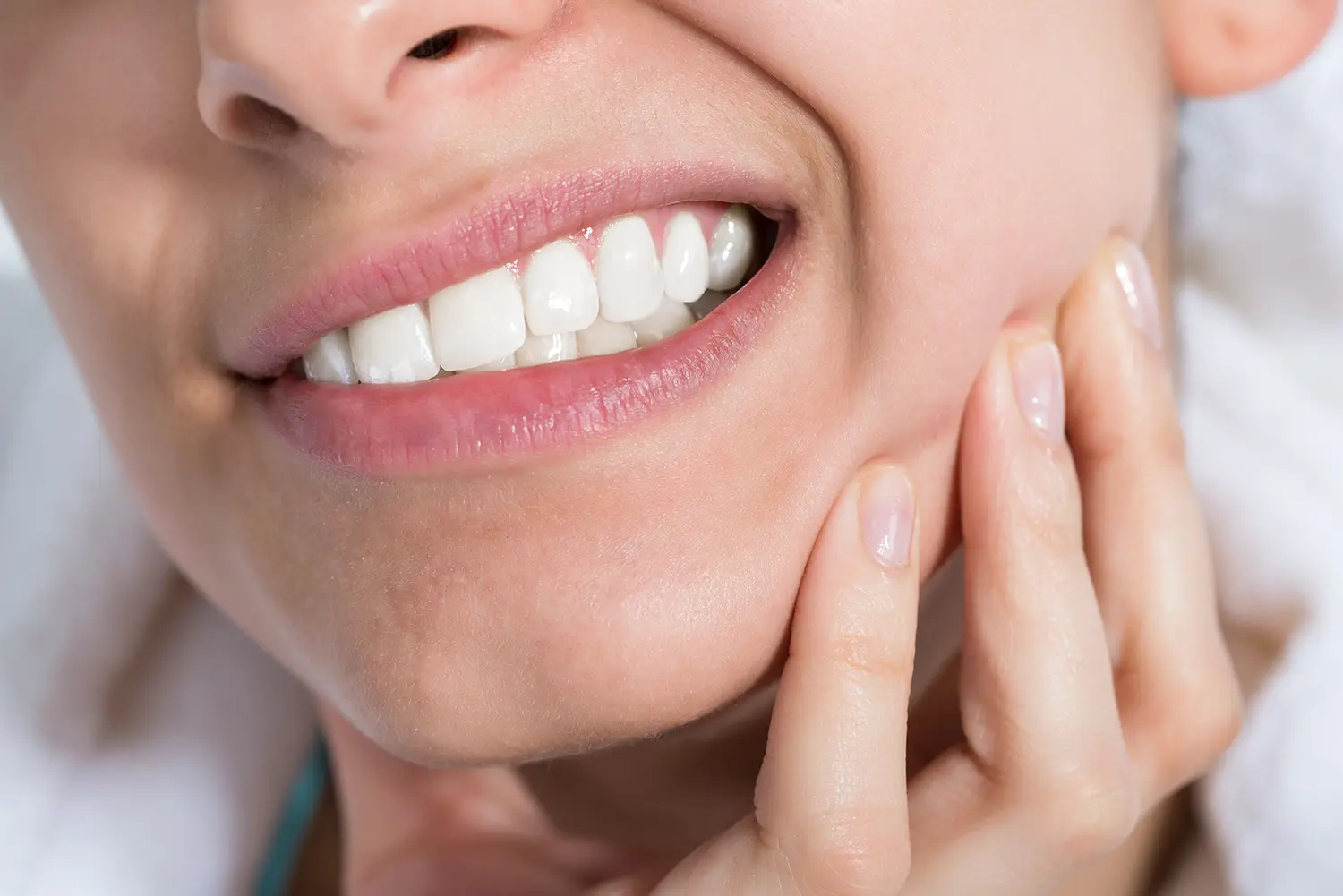
TMD can manifest in many ways that do not always feel obviously dental. Common symptoms include jaw pain or soreness that is especially noticeable in the morning, clicking, popping, or locking of the jaw joint, headaches concentrated at the temples, neck and shoulder tension, ear pain or fullness, facial pain, difficulty fully opening or closing the mouth, and teeth that feel sore after sleeping. Some patients have managed these symptoms for years, cycling through treatments that never address the root cause.
Our Non-Surgical Approach to TMJ Treatment
At Pearl & Pine, we begin with a comprehensive evaluation that includes a detailed symptom history, TMJ examination, bite analysis, and assessment of contributing airway and muscle factors. When clinically indicated, advanced 3D imaging (CBCT) may be used to evaluate the jaw joints, airway, and surrounding structures. This allows us to identify potential contributors to dysfunction and develop a personalized treatment plan.
Treatment may include custom occlusal splints, bite therapy when indicated, myofunctional therapy, airway-focused interventions, and other conservative approaches designed to reduce pain, improve function, and address contributing factors. Because TMJ disorders can have multiple causes, treatment is individualized to each patient's needs and goals.
The Airway and TMJ Connection
One of the most underappreciated aspects of TMJ disorder is its frequent connection to airway compromise. Patients who clench and grind at night are often doing so as an unconscious response to airway restriction during sleep, as the jaw thrusts forward reflexively to protect the airway. Addressing airway factors alongside TMJ therapy often produces significantly better, more durable results. This integrated approach is one of the ways Pearl & Pine's TMJ treatment in Gulf Breeze, FL, stands apart.
Frequently Asked Questions
Can a dentist treat TMJ disorder?
Yes. Dentists are a primary provider for TMD diagnosis and non-surgical treatment, particularly when the cause involves bite imbalance, bruxism, or occlusal factors. For complex cases with a strong airway or musculoskeletal component, we may recommend coordinated care with a physical therapist, ENT, or sleep medicine physician.
What is the fastest way to get relief from jaw pain?
A custom occlusal splint or night guard typically provides meaningful relief within the first few weeks by reducing clenching pressure and allowing the jaw muscles to rest. We can often have a custom appliance ready within a week or two of your appointment.
Will I need surgery for TMJ disorder?
The vast majority of TMD patients do not require surgery. Conservative, non-surgical management is the evidence-supported first-line approach, and for most patients, it is highly effective. Surgery is considered only in rare, severe cases that have not responded to comprehensive conservative treatment.
Is TMJ treatment covered by insurance?
Coverage varies by plan. Some dental and medical insurance plans cover diagnostic evaluation and appliances for TMD. As an out-of-network practice, we file courtesy claims on your behalf and can help you understand your potential reimbursement.
Can stress cause TMJ disorder?
Yes, stress is one of the most common contributors to TMD, primarily through clenching and jaw muscle tension. Managing bite mechanics with a night guard helps protect the joint, while addressing stress-related habits can reduce the intensity of symptoms over time.